See what
XRecovery finds.

Data recovery software for Windows. Scan your drive for free and preview supported files before saving them to a different device.

Windows 7 SP1 and later · x86 and x64

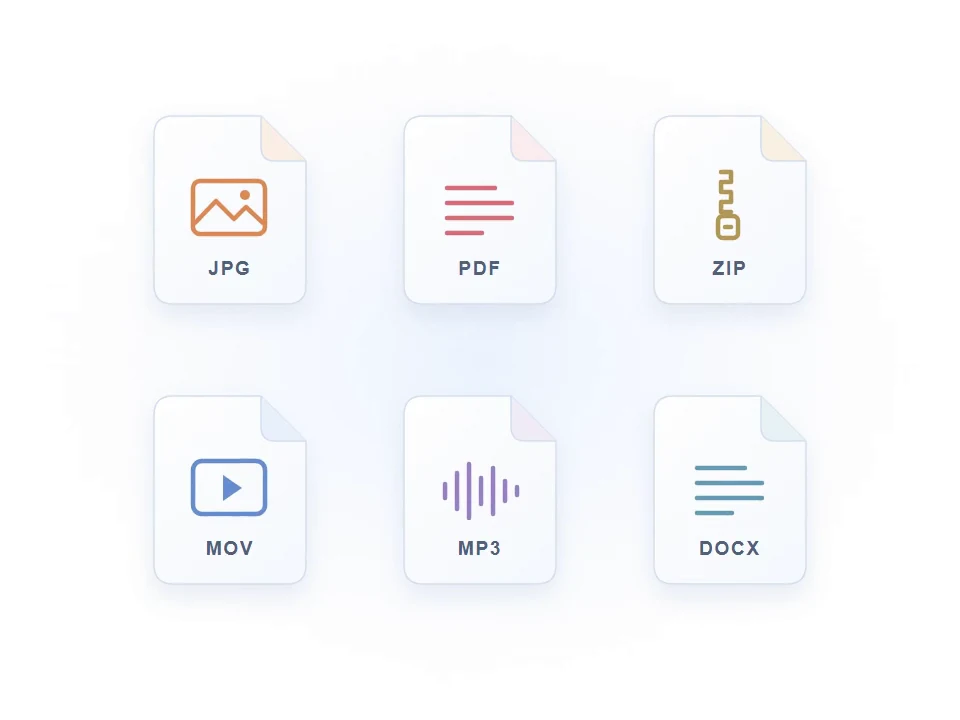
Six file-format icons arranged after an illustrative scan.

From drive to saved copy.

Follow one file from the original drive to a saved copy. These screens show XRecovery running on Windows.

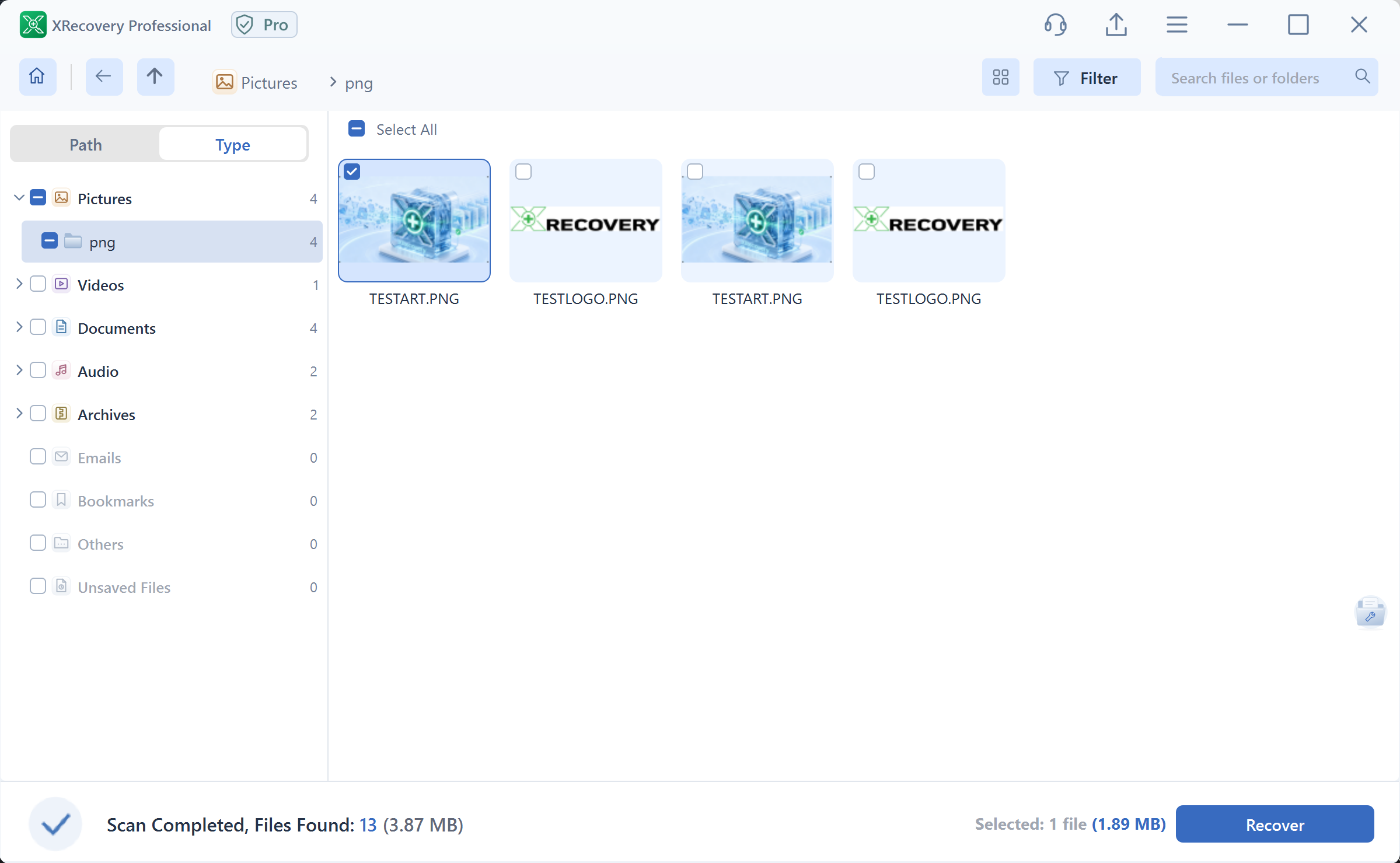
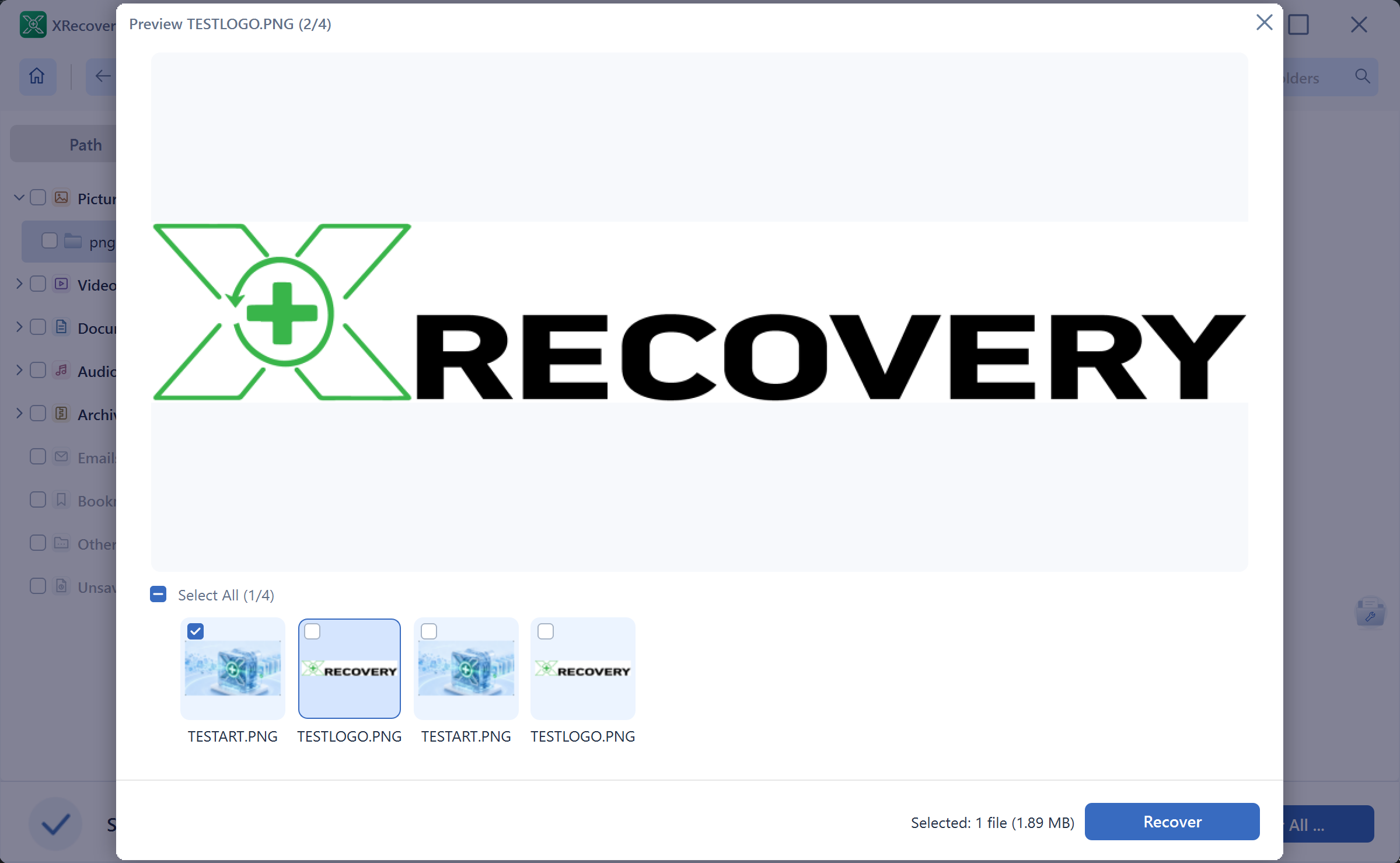
Step 2 of 3 The selected PNG opens in the preview window.

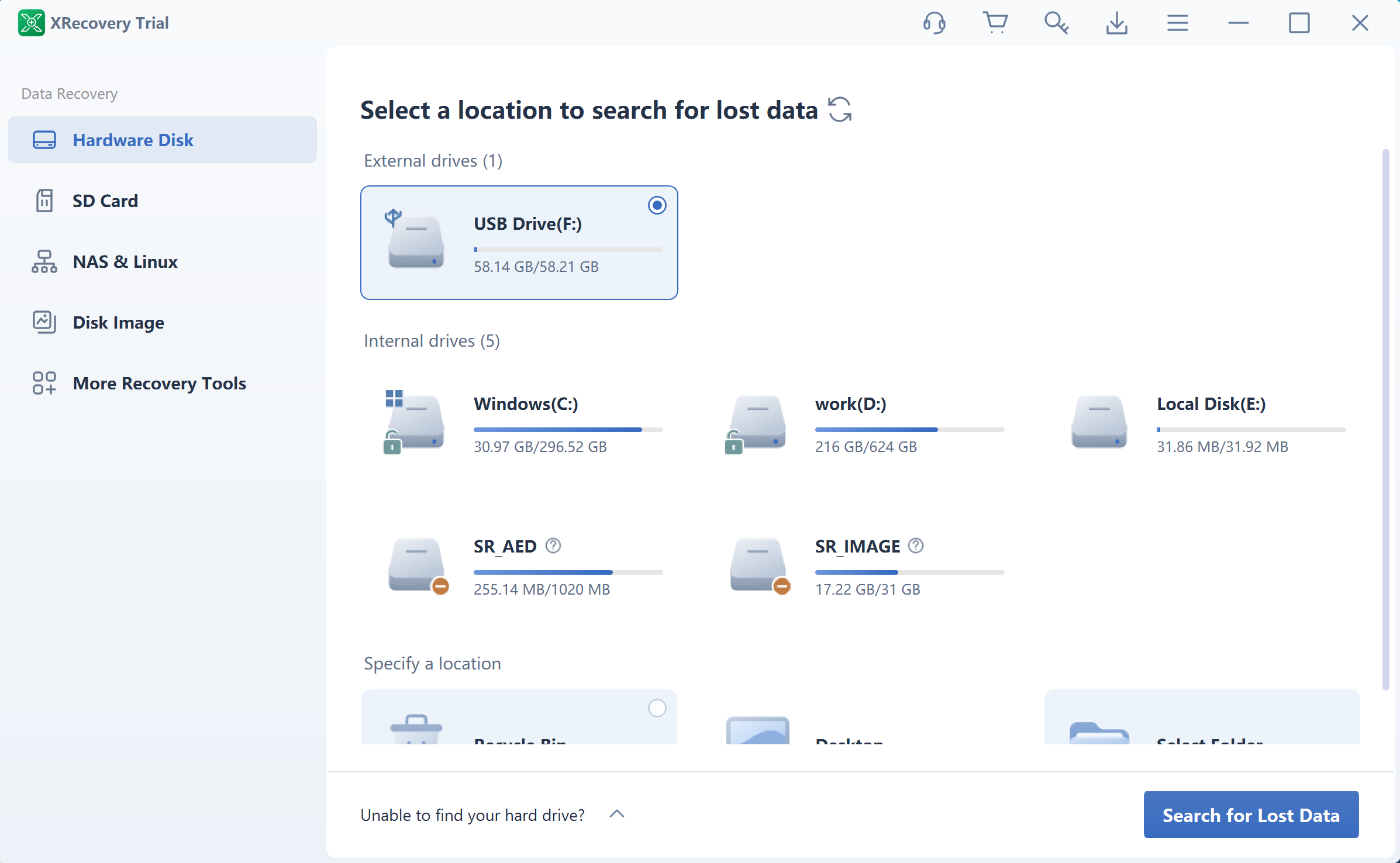
Step 1 of 3 Choose the original drive in the source list.

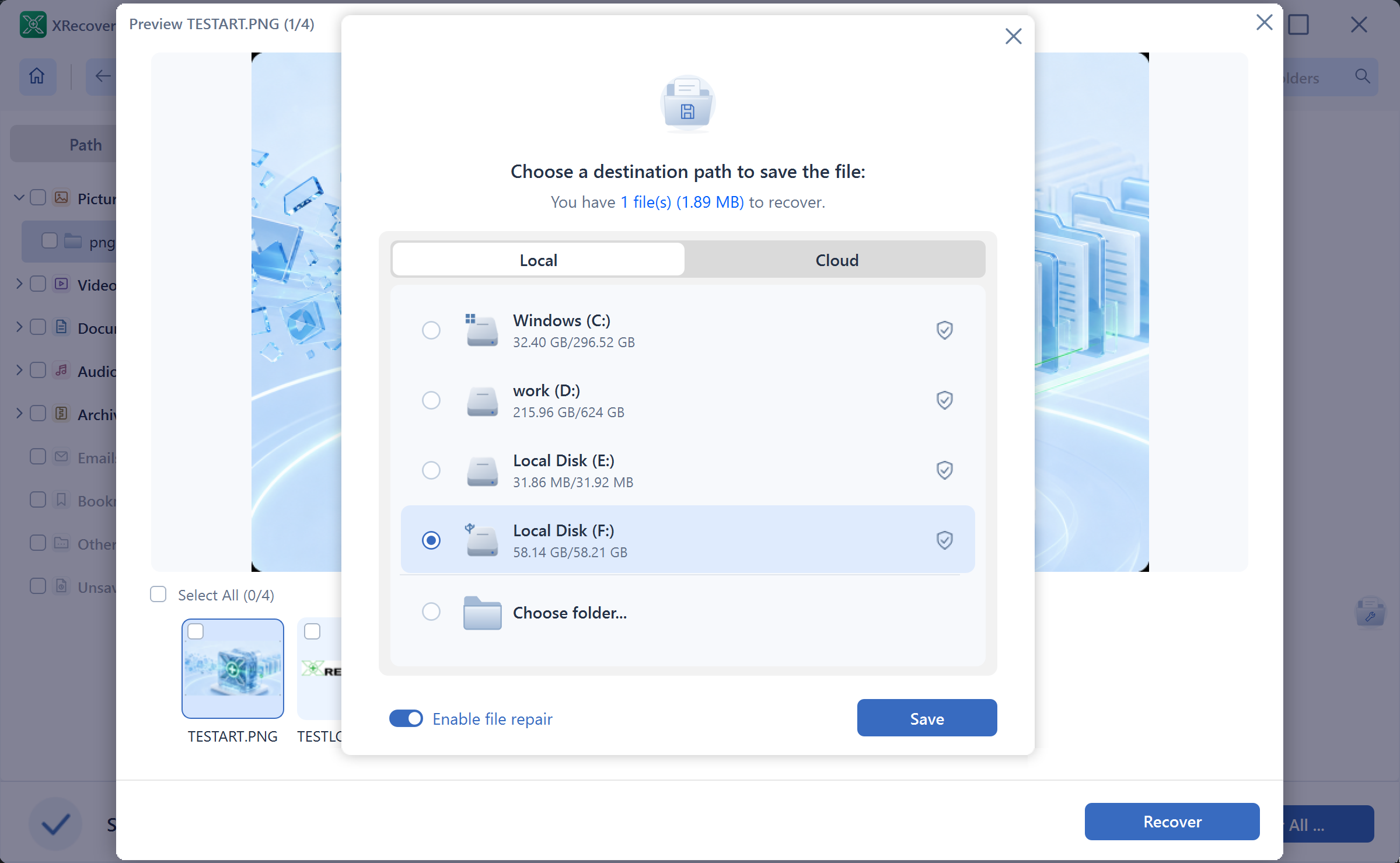
Step 3 of 3 Choose a location on a different device.

1. Choose your drive

Match the drive name and capacity to the device where the files were lost.

Step 1 of 3 Choose the original drive in the source list.

2. Preview a file

Open a result you recognize. Check the contents before you choose what to save.

Step 2 of 3 The selected PNG opens in the preview window.

3. Save a separate copy

Choose another storage device, save the files, then open them to check the details.

Step 3 of 3 Choose a location on a different device.

Find the file you meant to keep.

Search for a name, filter by file type, date or size, or browse the original folders. Open a supported preview to check the contents before selecting files to save.

Scan results grouped by file type

Scan a drive, save the scan results, and load them later

Keep your place.

Save the scan results and load them later to continue choosing files. Keep the source drive or image available when you return.

A file is there.
It just won’t open.

When a recovered photo or document won’t open, add it to XRecovery’s repair queue. You can also open a damaged file you already have, without running a disk scan. Check the repair preview before saving.

Photos, documents and more.

Supported formats include camera RAW, Office and PDF, video and audio, ZIP and RAR, and PSD and PSB.

The usable result depends on the damage and the data still in the file. Recovery and repair share the same cumulative 2 GB free allowance.

Illustration of photo, document and video files with missing or disrupted content

Recover from the storage you use.

From a card reader on your desk to storage on a NAS, choose the connection that matches where your files were lost.

External drive, USB flash drive and an M.2 SSD beside a laptop

Connected to your PC

Hard drives & SSDs

Find lost files on internal or external hard drives and SSDs. XRecovery needs to detect and read the disk. If it repeatedly disconnects, check its condition before a long scan.

USB drives & memory cards

Look for photos, videos and everyday files on USB drives and memory cards. Connect a card through a compatible reader, and leave the source unformatted if Windows asks to format it.

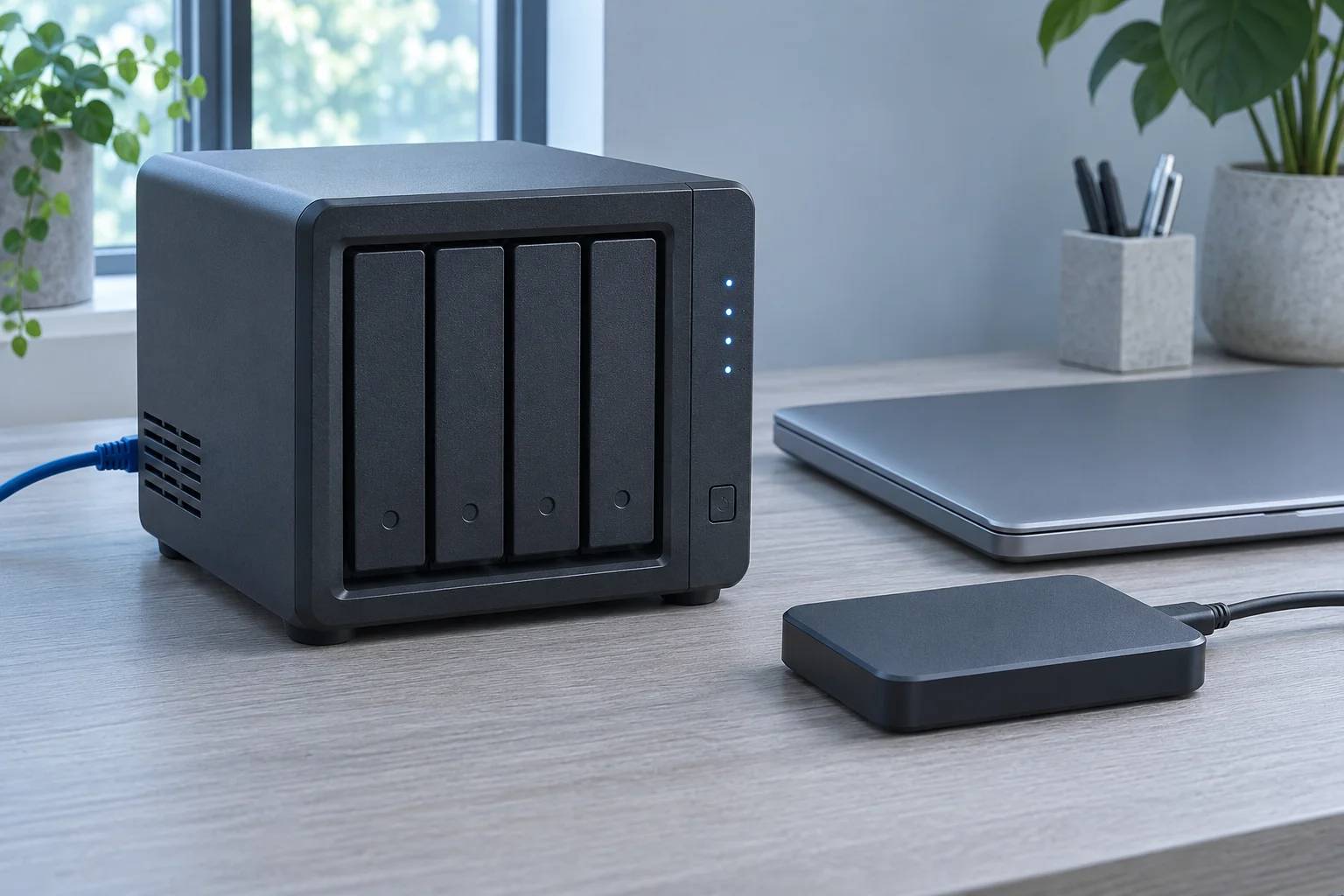
Closed NAS enclosure, laptop and a separate portable drive

NAS & RAID storage

NAS and Linux connections

Connect over SSH to scan storage on a NAS or Linux device. Root access on the target is required.

Identifiable RAID arrays

Recover files from RAID 0, 1, 5 and 6 arrays that XRecovery can identify and read. Check the array’s condition before choosing a recovery method.

Check your Windows setup

Choose the x86 or x64 installer for Windows 7 SP1 or later. You can also scan a supported disk image. Check system requirements.

Supported file systems include NTFS, FAT12/16/32, exFAT, HFS+ and ReFS. Ext4 and Btrfs support depends on the scan method. Local deep scanning is unavailable for those two systems. Check file-system and preview support.

Have your unlock credentials ready. The device must still be readable.

More ways to reach your files.

A drive attached to a working PC is only one starting point. XRecovery also gives you tools for disk images, authorized OneDrive access and a computer that won’t start.

Work from a disk image.

Create an IMG image, then scan the copy. You can also open supported raw and virtual disk images to look for files.

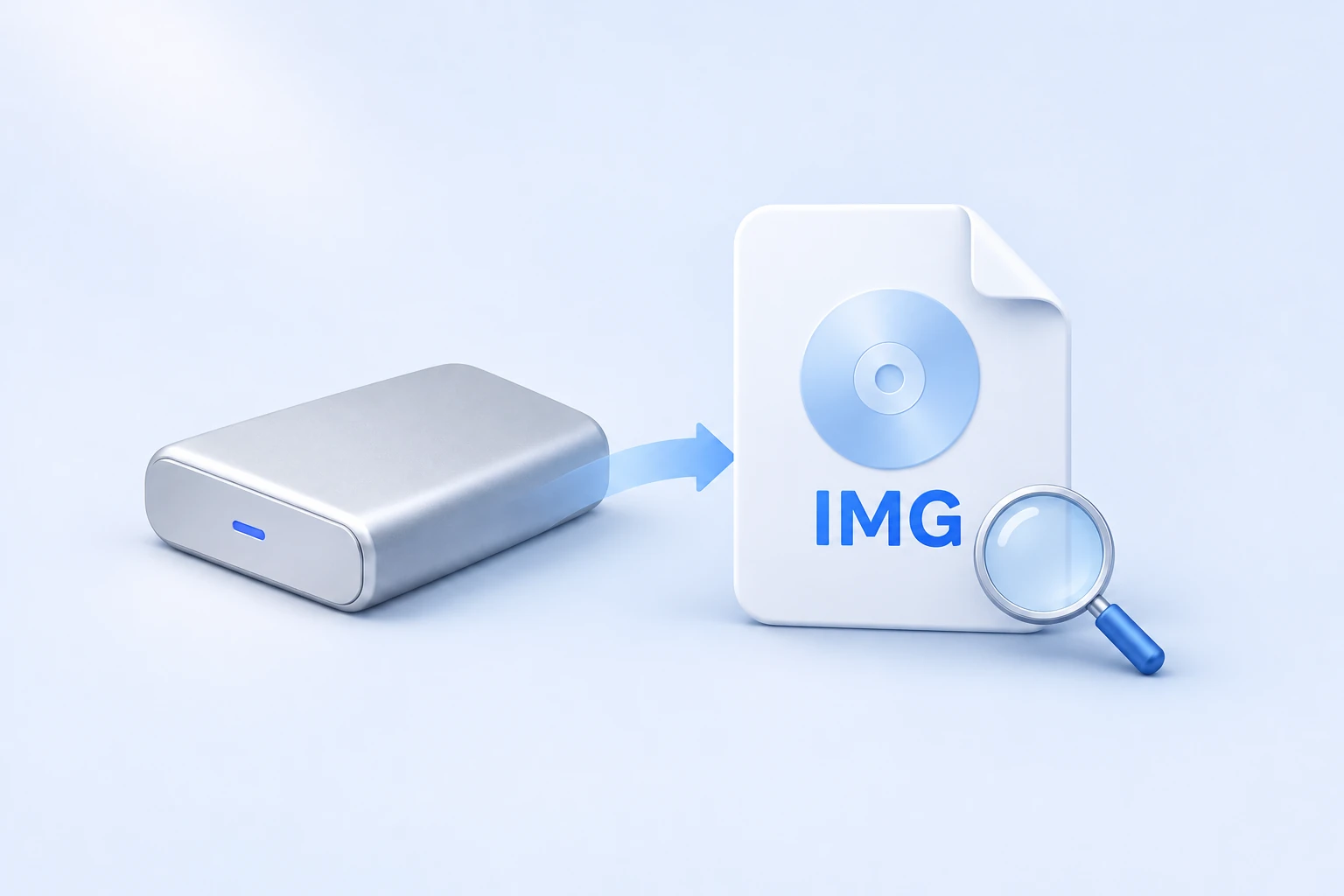
Illustration of a source drive being saved as an IMG disk image for examination

Connect an authorized OneDrive account.

Look for files that OneDrive still makes available to your account. For other cloud situations, check retained versions or complete local copies.

Illustration of files being read from a cloud source to a local computer

Recover when Windows won’t start.

Prepare rescue media on a working PC, then use it to scan readable storage on the affected computer. Creating and using rescue media requires a paid license.

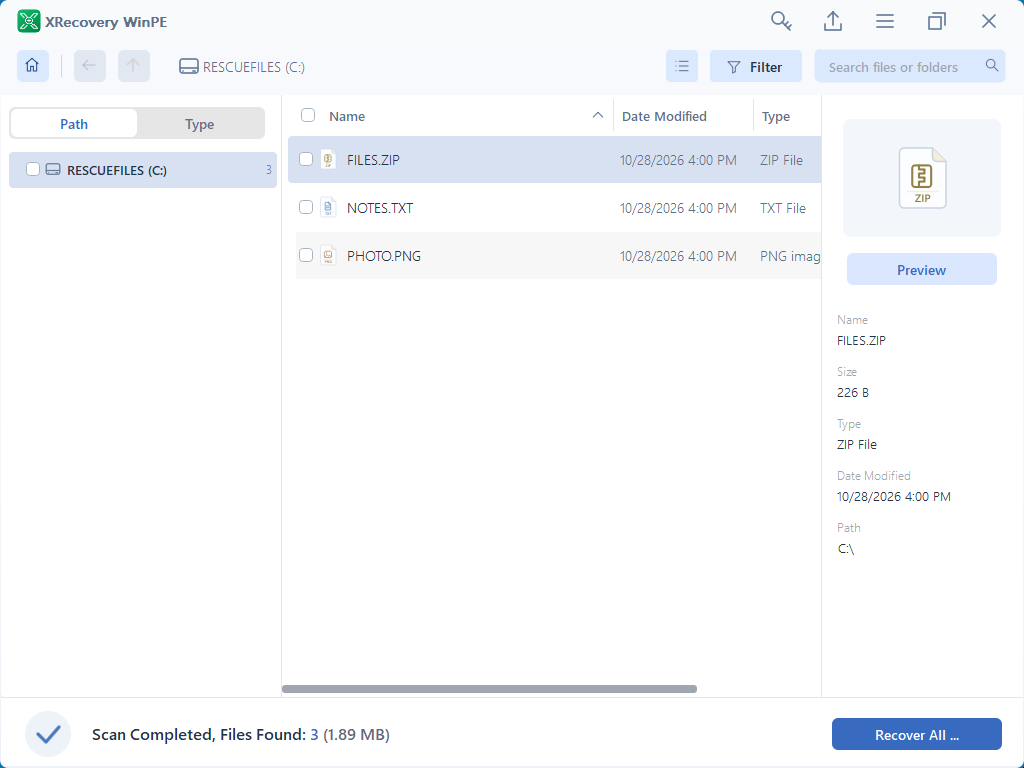
XRecovery WinPE · sample scan

What can I recover for free?

File recovery and file repair share one free allowance of 2 GB in total. Once used, it does not reset.

Choose the time you need.

Monthly and annual licenses include the same paid features for one computer. Recovery has no capacity limit during the license term. Renew when you need to; there is no automatic renewal or charge.

Before you start

A preview lets you inspect supported content. Open the saved file and check the pages, photos or footage you need.

XRecovery needs a source it can read. If the drive repeatedly disconnects or makes unusual mechanical noises, stop using it and seek a hardware assessment. Software cannot restore overwritten data.

A removable card can be scanned through a compatible reader. A phone connection that only shows media objects does not expose the internal storage as a readable disk.

Choose another storage device with enough space, or an authorized OneDrive or Google Drive destination. Keep the source available until you have opened and checked the saved copies.
Privacy Overview
XAppSet

This website uses cookies so that we can provide you with the best user experience possible. Cookie information is stored in your browser and performs functions such as recognising you when you return to our website and helping our team to understand which sections of the website you find most interesting and useful. Privacy Policy

Strictly Necessary Cookies

Strictly Necessary Cookie should be enabled at all times so that we can save your preferences for cookie settings.